Koi Jinli or Nishikigoi Fish Jump: A Strategic Design Asset for Creators and Brands
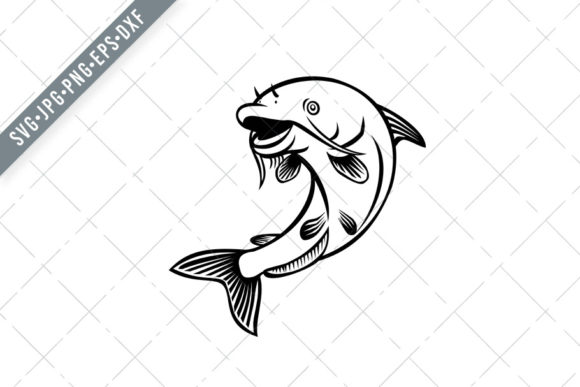
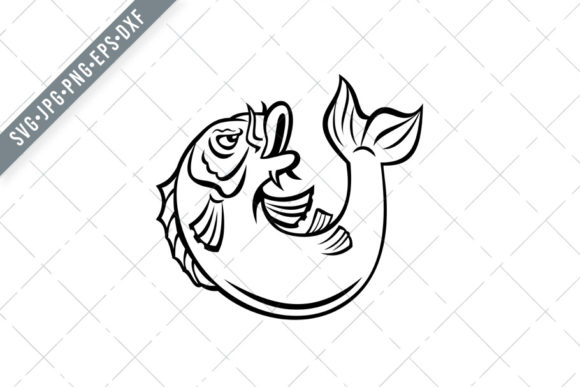
When you first see an illustration of a Koi Jinli or Nishikigoi fish jumping against an isolated background, you are looking at more than just a decorative element. This iconic image—rooted in centuries of symbolism and crafted into a clean black-and-white vector—carries specific strategic value for anyone building a brand, designing a product, or communicating a message visually. The Amur carp, Cyprinus rubrofuscus, in its colorful Nishikigoi varieties, represents perseverance, transformation, and upward momentum. Capturing that energy in a cartoon-style jumping pose makes it accessible, memorable, and versatile for modern commercial use.
This article explores how to treat this design asset not as a random graphic but as a deliberate tool for achieving better outcomes in branding, marketing, product development, and creative workflows. Whether you are a small business owner, a freelancer, a marketer, or a hobbyist, understanding when and how to use a Koi jumping illustration can improve your decisions and results.
Why a Koi Jumping Illustration Works as a Strategic Asset
The Koi Jinli or Nishikigoi fish jump is not merely an image—it is a symbol with cultural depth and emotional resonance. In Japanese and Chinese traditions, the koi fish climbing a waterfall represents determination and the ability to overcome obstacles. A jumping pose adds a sense of action, progress, and aspiration. When you use this graphic in your work, you are tapping into a visual shorthand that audiences instinctively understand.
For entrepreneurs and creators, this matters because every design choice communicates something. A static fish may simply be decorative, but a jumping koi conveys motion and goal orientation. It aligns naturally with themes like growth, achievement, and forward motion—concepts that many brands and projects want to embody. By selecting a cartoon-style jumping koi, you also introduce approachability and warmth, making the symbol feel inclusive rather than overly formal or traditional.
Practical Use Cases Across Different Goals
The real power of this design lies in its flexibility. Because the file set includes SVG, PNG, DXF, EPS, and JPG formats, you can apply the same Koi jumping illustration across a wide range of media without losing quality or consistency. This is not just convenient—it is strategically important for maintaining a cohesive visual identity.
- Branding and Logo Design: A jumping koi can serve as a memorable logo mark for businesses in fitness, coaching, education, personal development, or even aquatic-themed ventures. The black-and-white style makes it suitable for both digital and print applications.
- Product Merchandise: T-shirts, mugs, tote bags, and stencils all benefit from a clean vector graphic that scales easily. The SVG file works seamlessly with Silhouette Cameo and Cricut machines, allowing you to produce custom products without design delays.
- Print and Stationery: Party invitations, greeting cards, scrapbooking pages, and banners gain a distinctive focal point when built around a jumping koi. The isolated background means you can place it anywhere without clipping issues.
- Wall Art and Decor: Whether printed on canvas, framed, or used as a decal, the jumping koi adds a motivational element to offices, studios, or home spaces.
- Educational Materials: Teachers and trainers can use the image in presentations, worksheets, or posters to illustrate concepts like perseverance, adaptation, or life cycles.
How Thoughtful Use Supports Creativity and Productivity
One underappreciated aspect of having a reliable vector asset is the time it saves. When you download a set that includes SVG, DXF, EPS, PNG, and JPG files, you eliminate the need to trace, redraw, or convert formats. This allows you to move directly from idea to execution. For a freelancer juggling multiple projects, that efficiency directly translates into higher productivity and faster turnaround times.
Moreover, the cartoon style of this Koi Jinli illustration lowers the barrier for creative experimentation. You can resize, recolor, combine with other elements, or use portions of the design for different purposes—all without worrying about resolution loss. This encourages iterative thinking. You can test the image on a mockup, print a prototype, or share a digital preview with a client in minutes, not hours.
For teams, having a versatile design file reduces friction between departments. A marketer can use the PNG for social media, a product designer can use the SVG for a mug wrap, and a print shop can use the EPS for a large-format banner—all from the same source. This consistency strengthens brand recognition and reduces miscommunication.
When and Where to Use the Koi Jumping Graphic
Strategic use of any design asset requires knowing not just how it looks but what context amplifies its meaning. The jumping koi works particularly well in scenarios where you want to emphasize progress, transformation, or resilience.
- Goal-Oriented Campaigns: If you are launching a challenge, a course, or a program focused on personal growth, the jumping koi visually reinforces the message of striving upward.
- Celebratory Events: Birthdays, graduations, promotions, or new beginnings all align with the symbolic meaning of a fish leaping forward.
- Brand Positioning: If your brand’s story involves overcoming adversity or pursuing excellence, this symbol can become a subtle but powerful visual anchor.
- Seasonal or Themed Collections: Asian-inspired themes, water motifs, or minimalist black-and-white lines all integrate naturally with the jumping koi.
What to Consider Before Using the Design
No asset is universally appropriate. Before you implement a Koi Jinli or Nishikigoi jumping illustration, take a moment to evaluate your goals and your audience’s expectations.
First, consider cultural context. While the koi is widely admired, its symbolism may carry specific weight in certain communities. If your project targets an audience with deep familiarity with Japanese or Chinese traditions, ensure your usage is respectful and informed. The jumping koi is not a generic fish—it carries meaning, and treating it with care strengthens your credibility.
Second, think about style fit. A cartoon-style illustration is approachable but may not suit every brand voice. For example, a luxury brand or a formal corporate identity might prefer a more abstract or realistic rendering. Evaluate whether the playful, clean lines of this graphic align with your overall aesthetic.
Third, consider color. The set you download may be in black and white, which offers flexibility. You can leave it monochrome for a classic look or add your own brand colors. If you choose to colorize, pay attention to the traditional hues associated with Nishikigoi varieties—red, white, black, gold, and orange each carry their own symbolism. Using them intentionally can deepen the message.
Possible Risks of Using the Asset Without Clear Goals
Using any design element without a clear strategy can dilute your message or confuse your audience. A jumping koi placed randomly on a website or product may look decorative but fail to communicate anything meaningful. This can make your brand feel unfocused or superficial.
Another risk is overuse. If you apply the same graphic across too many contexts without variation, it can lose its impact. While the file formats allow for scalability, the visual identity still needs thoughtful placement. Use the jumping koi where it serves a purpose—whether as a logo, a hero image, or a repeating pattern—but avoid placing it everywhere just because you can.
Additionally, if you are using the design commercially, verify the license terms of the download. Most sets sold on platforms like Etsy or Creative Market include commercial rights, but it is your responsibility to confirm. Using an asset without proper rights can lead to legal issues that undermine your project’s success.
How to Use the Koi Jumping Illustration Intentionally
Intentional use starts with a clear answer to the question: What do I want this image to do for my audience? Once you have that answer, you can make purposeful choices about placement, sizing, color, and accompanying text.
For example, if you are designing a T-shirt for a fitness brand, the jumping koi can represent the moment of effort before success. Place it on the front center with a short motivational phrase, or use it as a small chest logo for a more understated look. The black-and-white style ensures it reads well on any fabric color.
If you are creating a greeting card for a milestone birthday, the koi jumping upward reinforces the theme of new beginnings. Use the EPS file to print at high resolution on quality card stock, and consider adding a metallic gold accent for a premium feel.
For a pattern on scrapbooking paper or wrapping material, the SVG file allows you to repeat the jumping koi seamlessly. You can rotate, mirror, or scale the image to create rhythm without losing the integrity of the design.
Practical Planning Tips for Creators and Small Business Owners
Here are a few planning strategies to get the most out of your Koi Jinli or Nishikigoi fish jump asset:
- Test before committing. Use the PNG file for quick mockups and share them with a small group for feedback before producing large quantities.
- Build a library. Combine the jumping koi with other complementary vector elements—water ripples, lotus flowers, or simple geometric shapes—to create a cohesive design system.
- Think in layers. Because the graphic is isolated, you can layer it over backgrounds, textures, or photographs. Experiment with contrast to ensure the koi remains the focal point.
- Plan for multiple touchpoints. Use the same jumping koi on your website, your product packaging, and your social media profile. Repetition builds recognition.
- Consider your budget. The cost of a high-quality vector set is minimal compared to the time saved and the professional result it enables. Treat it as an investment in consistency.
Long-Term Value of Owning a Versatile Vector Asset
One of the most strategic decisions a creator or small business owner can make is to invest in assets that retain their value over time. A well-drawn Koi jumping illustration is not a trend. Its symbolic meaning is enduring, and its cartoon style gives it a timeless appeal that works across generations and markets.
Because the download includes multiple file types—SVG, PNG, DXF, EPS, and JPG—you are prepared for future projects that may require different software or output formats. Whether you are cutting stencils for a workshop, printing posters for an event, or designing digital content for a course, you have the right file ready.
This kind of versatility also supports long-term brand evolution. As your business grows, you may want to update your visual identity without starting from scratch. The jumping koi can be adapted, recolored, or simplified as your brand matures, providing continuity while allowing for change.
Decision-Making Guidance for Choosing This Asset
If you are considering whether to purchase or use this particular Koi Jinli or Nishikigoi fish jump design, ask yourself these questions:
- Does my project benefit from a symbol of movement and aspiration?
- Will a cartoon style resonate with my target audience or undermine the message I want to send?
- Do I have the time and skill to create a similar illustration from scratch, or would a ready-made vector save me hours of work?
- Am I prepared to use this asset across multiple media to maximize its value?
- Have I considered the cultural and symbolic context of the koi fish in my specific use case?
If your answers lean toward fit and efficiency, this design is likely a strong choice. If you are unsure, start with a single application—a greeting card or a social media post—and gauge the response before scaling up.
Final Thoughts on Using the Koi Jinli or Nishikigoi Fish Jump
Whether you are creating T-shirts, mugs, stencils, wall art, greeting cards, banners, or digital content, a cartoon-style jumping koi illustration offers a blend of symbolism, versatility, and practicality. The availability of SVG, PNG, DXF, EPS, and JPG files ensures that no matter your workflow or output device, you can use the same high-quality image without rework. The black-and-white treatment gives you control over color, while the isolated background frees you to place the fish in any composition.
The key is to use it with intention. Understand what the koi represents, align it with your brand or project goals, and apply it consistently across the touchpoints that matter most. When you do, this simple illustration becomes a strategic asset that supports your creativity, productivity, and long-term results.