Simple Fruit Pattern Design for Everyday Creativity
Patterns are everywhere. They appear on the clothes you wear, the wallpaper in your favorite café, and the wrapping paper on a gift you recently received. Among the many styles available, Simple Fruit Pattern Design has quietly become a go-to choice for creators who want something fresh, approachable, and visually engaging. Whether you are designing a product label, sprucing up a blog post, or creating classroom materials, fruit motifs offer a natural way to bring warmth and color into your work.
This article walks you through what Simple Fruit Pattern Design really means, why it appeals to such a wide audience, and how you can put it to use in your own projects. You will also find practical details about the downloadable EPS and PNG files that accompany this design, so you can start applying it right away.
What Makes a Fruit Pattern Simple Yet Effective
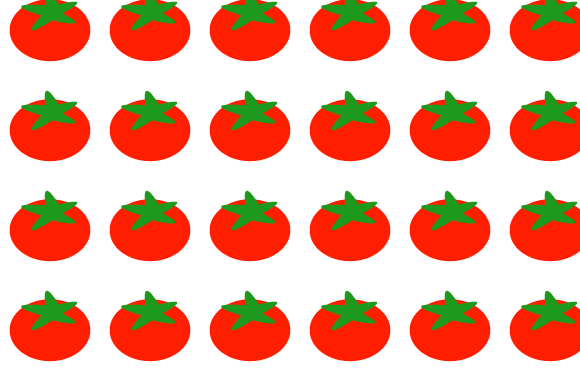
A simple fruit pattern strips away unnecessary complexity. Instead of hyper-realistic illustrations with intricate shading and dozens of details, you get clean shapes, flat or gently textured colors, and a layout that feels balanced without being busy. Think of a repeating motif of sliced oranges, tiny apples, or abstract berries arranged in a grid or scattered organically across a background.
The beauty of this approach lies in its accessibility. You do not need to be a seasoned graphic designer to appreciate or use it. The visual language is universal. Everyone recognizes a lemon, a cherry, or a banana. When rendered in a simplified style, these shapes become easy to work with, whether you are placing them on a business card or scaling them up for a poster.
Simple fruit patterns also tend to be more forgiving. Because the design avoids fine lines and overly complex details, it reproduces well across different media. That same pattern that looks crisp on a screen will also print cleanly on paper, fabric, or packaging material.
Why People Turn to Simple Fruit Patterns
There are practical reasons why creators and business owners choose this style over other decorative options. One of the most common motivations is the desire for a design that feels cheerful without being childish. A simple fruit pattern can strike that balance. A pattern of pears or lemons in muted tones can look sophisticated enough for a kitchen product line, while the same motif in bright colors works perfectly for a children's activity book.
Another reason is versatility. Unlike patterns built around specific themes like holidays or mascots, fruit patterns fit into many contexts. They work for food-related businesses, obviously, but they also appear in fashion, stationery, home décor, and digital content. If you run a small shop selling handmade soaps, a subtle fruit pattern on your labels can communicate natural ingredients and a fresh feel. If you are a teacher creating worksheets, a fruit pattern adds visual interest without distracting from the lesson content.
Many beginners also appreciate that simple fruit patterns are easy to customize. Because the shapes are basic, you can change colors, rotate elements, or combine patterns with text without the design falling apart. This flexibility lowers the barrier to entry for anyone still learning design software.
Where and How to Use Simple Fruit Pattern Designs
The applications are broader than you might expect. Below are several realistic scenarios where this type of design adds real value.
Branding and Packaging for Small Businesses
If you sell homemade jams, organic juices, or natural skincare products, your packaging needs to tell a story quickly. A simple fruit pattern on a jar label or a box insert immediately signals what your product is about. It also creates a cohesive look across your product line. With the included EPS file, you can scale the pattern to fit any package size without losing quality. The PNG file gives you a ready-to-use version for quick mockups or social media posts.
Digital Content and Blog Graphics
Bloggers and content creators often need background images or accent graphics that do not overpower their text. A soft fruit pattern behind a recipe card or a lifestyle quote can make the page feel more inviting. Because the PNG file comes with a transparent or clean background in many cases, you can layer it easily onto your existing designs. You do not need to spend hours cutting out elements.
Educational Materials and Printables
Teachers, homeschoolers, and parents looking for engaging worksheets can use fruit patterns to create themed activities. A pattern of apples and oranges can turn a simple counting exercise into a visually appealing page. Since the design is simple, it prints well even on basic home printers. The EPS format also allows you to adjust colors if you want to match a specific classroom theme.
Home Décor and Craft Projects
Freelancers and hobbyists working on fabric printing, scrapbooking, or home décor items can apply these patterns to pillows, tote bags, or framed prints. The simple shapes translate well to screen printing or digital fabric printing. You could even upload the PNG file to a print-on-demand service and create custom merchandise without needing advanced design skills.
What to Consider Before Downloading and Using the Files
Before you dive into your project, there are a few practical points worth keeping in mind. Understanding these will help you get the most out of the Simple Fruit Pattern Design and avoid common frustrations.
File format matters for your intended use. The EPS file is vector-based, which means it can be scaled to any size without becoming pixelated. This is the file you want if you plan to print large banners, fabric rolls, or product packaging. The PNG file is raster-based and works well for digital use, social media graphics, and smaller print items where high resolution is already set. Keep both files handy and choose based on the medium.
Check the license terms. Not all pattern downloads come with the same usage rights. Some allow commercial use, others are limited to personal projects. Before you use the pattern on products you plan to sell, confirm that your download includes commercial licensing. This is especially important for small business owners and entrepreneurs who do not want to run into legal issues later.
Think about color harmony. A simple fruit pattern usually comes in a specific color palette. Before applying it to your project, consider how those colors interact with your existing brand or content. If the pattern uses bright reds and yellows, it might clash with a muted brand palette. The advantage of the EPS file is that you can open it in vector editing software and adjust the colors to fit your needs. If you do not have such software, look for PNG files that already match your preferred tones.
Test the pattern at different scales. A pattern that looks charming as a small repeat on a phone screen might feel overwhelming on a large poster. Try scaling the design up and down to see how it behaves. With a vector EPS file, scaling is effortless. With a PNG file, start with a version that is large enough for your biggest planned use so you do not end up with a blurry result.
Practical Benefits of Having Both EPS and PNG Files
Having access to both file formats gives you flexibility. If you are a beginner who has not yet learned vector editing software, the PNG file lets you start using the pattern immediately. You can drag and drop it into Canva, PowerPoint, or any basic image editor. As your skills grow, the EPS file becomes a resource you can modify more deeply.
For professionals and freelancers, the EPS file is essential. It integrates into Adobe Illustrator, Affinity Designer, and CorelDRAW workflows. You can extract individual fruit elements, change their arrangement, or combine the pattern with other design assets. This turns a single pattern into a building block for a much larger visual system.
Entrepreneurs who work with printing partners will appreciate that vector files are the standard format for most commercial printers. Sending an EPS file reduces the chance of miscommunication about size, color, or resolution. It also means your printed materials will look sharp and professional.
Making the Most of Simple Fruit Pattern Design
Whether you are creating a logo for a farmer's market stall, designing a background for a food blog, or putting together activity sheets for a classroom, Simple Fruit Pattern Design offers a reliable and attractive foundation. Its simplicity makes it beginner-friendly, while its adaptability ensures that more experienced creators can push it further.
The key is to start with a clear idea of what you need the pattern to do. If you need flexibility and scalability, rely on the EPS file. If you need speed and ease of use, the PNG file has you covered. By understanding the strengths of each format and matching them to your project, you save time and get better results.
Fruit patterns have a timeless appeal. They remind us of freshness, nature, and simple pleasures. When rendered in a clean, uncomplicated style, they become tools that anyone can use to make their work more inviting. So go ahead and experiment. Place that pattern on a mockup, try it on a label, or layer it behind your next blog headline. You might be surprised at how much a small design choice can change the feel of your work.