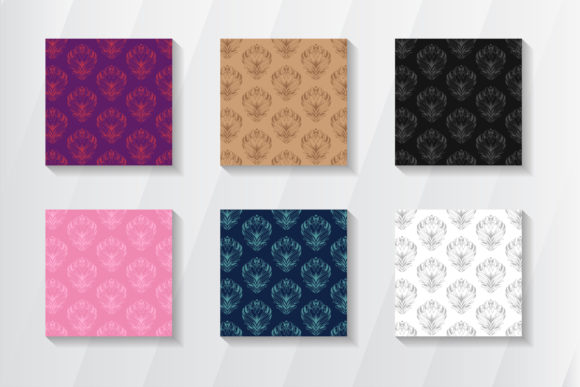
The Art of Indonesian Batik: Exploring Java Pattern Elements and Vector Media
Indonesian batik is far more than a fabric; it is a living canvas of cultural identity, artistic expression, and meticulous craftsmanship. For centuries, the technique of wax-resist dyeing has been passed down through generations, transforming plain cloth into stunning works of art. Today, batik’s intricate designs—especially those rooted in Java pattern elements—have found a vibrant new life in digital media, where they appear as vector graphics, seamless patterns, and versatile design resources. Whether you are a designer seeking inspiration, a student of cultural heritage, or simply someone who admires the beauty of floral and geometric motifs, understanding batik from the ground up opens a door to a rich world of tradition and creativity.
This article will take you on a journey through the origins and techniques of batik, the significance of its ornamental and decorative patterns, the role of color in its design, and how these elements are now captured as vector resources for modern projects. By the end, you will see why batik remains one of the most cherished ethnic art forms and how it continues to influence fashion, textile design, graphic art, and even wallpaper and product decoration around the world.
Understanding Batik: A Tradition of Wax-Resist Dyeing
At its core, batik is a technique of applying wax to cloth to resist dye, creating patterns and motifs that remain after the wax is removed. This process is repeated with different colors to build up complex, layered designs. The word "batik" itself is thought to come from the Javanese word amba (to write) and titik (dot), reflecting the method of drawing patterns with dots and lines. Originating from Indonesia, particularly the island of Java, batik has been recognized by UNESCO as a Masterpiece of Oral and Intangible Heritage of Humanity, underscoring its global cultural significance.
The process begins with a piece of plain cloth, often cotton or silk. Artisans use a tool called a canting to draw drawn motifs with hot wax, or a cap (copper stamp) for faster application. The wax blocks the dye from penetrating certain areas, so when the cloth is immersed in a dye bath, only the unwaxed parts absorb the color. This sequence can be repeated multiple times with different dyes—ranging from brown and blue to pink and yellow—to achieve a multi-hued collection of tones. The final step removes all the wax by boiling or scraping, revealing an intricate pattern with a characteristic marble-like crackle effect that is unique to batik.
The Beauty of Java Pattern Elements in Batik
Java, the cultural heart of Indonesia, is home to some of the most revered batik patterns. These Java pattern elements are not merely decoration; they carry deep symbolism related to nature, spirituality, and social status. Among the most common motifs are floral designs—flowers, leaves, and vines—that represent life, growth, and beauty. Geometric patterns, such as repeating squares, circles, and zigzags, often symbolize order, balance, and the cosmos. Ornamental and tribal motifs, sometimes drawn as outline shapes, echo ancient traditions and regional identities.
For digital designers, these pattern elements are now available as vector files, which can be scaled infinitely without losing clarity. A seamless batik vector pattern might feature a repeating paisley or floral motif, making it perfect for textile prints, wallpaper, or product packaging. The detail in these hand-crafted designs—whether captured from traditional pieces or digitally recreated—offers an authentic retro and vintage feel that resonates with modern audiences.
The Role of Color in Batik: From Earthy Tones to Vibrant Hues
Color is a defining feature of batik. Traditional Javanese batik often employs natural dyes derived from plants, bark, and soil, resulting in natural browns, indigo blues, and creamy whites. However, contemporary batik has embraced a broader palette, including colorful combinations of pink, blue, brown, yellow, green, and red. A single floral pattern might feature six various colors, creating a rich, layered visual experience.
In vector form, these color schemes can be isolated, modified, or enhanced. Designers working with graphic resources can adjust the color of a batik seamless pattern to suit a brand’s identity, a fashion collection, or a home decor line. The closeup eye view of batik’s texture—especially the crackled wax lines—adds a stone-like or marble effect that is highly valued in retro and vintage design aesthetics.
Batik in the Digital Age: Vector Media and Modern Design
The transition of batik from physical cloth to vector media has opened up endless possibilities. Vector files, such as those in SVG, EPS, or AI formats, allow designers to use batik motifs as illustration elements, isolated icons, or seamless backgrounds. A vector batik pattern can be scaled for a wallpaper backdrop, a product label, or even a makeup packaging design.
These graphic resources are often categorized under Category Graphic Resources in design marketplaces, offering sets of patterns that include floral, geometric, and ornamental variations. Many vector packs feature a collection of motifs with an abstract or natural feel, making them suitable for both traditional and contemporary projects. The ethnic and tribal character of batik adds a unique culture-driven appeal that is especially popular in fashion design and textile production.
One of the most practical advantages of vector batik is the ability to create seamless patterns—tiling designs that repeat without visible edges. This is essential for fabrics, wallpaper, and any surface where a continuous pattern is desired. The detail in these vectors often preserves the hand-drawn quality of traditional batik, including fine outline work and subtle texture.
Common Misconceptions About Batik
A frequent misunderstanding is that batik refers only to a printed pattern. In reality, batik is a technique of wax-resist dyeing, not simply a print. True batik involves a physical process of waxing and dyeing, which gives the fabric its characteristic depth and crackle effect. While there are printed imitations, authentic batik has a unique tactile and visual quality that machine printing cannot replicate.
Another assumption is that batik motifs are purely decorative without meaning. On the contrary, many traditional patterns—such as parang (diagonal sword-like shapes) and kawung (intersecting circles)—carry profound symbolism related to power, unity, and life cycles. Understanding this context enriches one's appreciation of batik as a cultural artifact.
Practical Applications of Batik Vector Elements
Batik vector patterns are now widely used in:
- Fashion design – Creating unique prints for dresses, scarves, and accessories.
- Home decor – Producing wallpaper, cushion covers, curtains, and bedding with an ornamental touch.
- Branding and packaging – Adding a vintage or ethnic feel to product labels, boxes, and bags.
- Digital and print media – Using seamless patterns as backgrounds for websites, brochures, or social media graphics.
- Makeup and beauty products – Incorporating batik motifs in packaging for a premium, retro aesthetic.
- Textile manufacturing – Creating custom fabric runs for small and large-scale production.
Because vector files are isolated and scalable, they can be adapted to any medium, from a tiny icon to a massive billboard, without losing detail.
Exploring Batik Motifs: Floral, Geometric, and Tribal
Batik patterns can be broadly grouped into three major categories, each offering distinct visual and symbolic elements:
Floral Motifs
Floral patterns are among the most popular in batik. They feature flowers, leaves, buds, and vines, often stylized into symmetrical or flowing arrangements. These motifs represent beauty, life, and nature. In vector form, floral pattern resources often include pink, blue, and brown variations, and can be used as standalone elements or combined into a seamless design.
Geometric Motifs
Geometric designs rely on repeating shapes such as circles, squares, triangles, and zigzags. They are often used to symbolize order, structure, and the universe. A geometric batik vector set might include abstract patterns with a retro feel, perfect for modern graphic projects.
Tribal and Ethnic Motifs
Tribal and ethnic patterns draw inspiration from ancient symbols, masks, and ritual designs. They often have a bold, ornamental look with thick outline strokes and earthy color palettes. These motifs add a powerful cultural resonance to any design project.
Why Batik Remains Relevant in Modern Culture
Batik’s enduring appeal lies in its ability to bridge tradition and innovation. As a cultural heritage, it connects us to centuries of craftsmanship and storytelling. As a design resource, it offers unparalleled beauty and versatility. UNESCO’s recognition of Indonesian batik has helped preserve its techniques and promoted global appreciation for this hand-made art.
Today, batik is not only worn during ceremonies and formal events but also appears in everyday fashion, home decor, and digital art. The availability of vector formats has made it accessible to designers worldwide, ensuring that its decorative and symbolic richness continues to thrive in the digital age. Whether used as a wallpaper pattern, a textile print, or a graphic element, batik remains a powerful expression of Indonesian identity and artistic achievement.
How to Use Batik Vector Patterns in Your Projects
If you are a designer or hobbyist looking to incorporate batik into your work, here are a few tips:
- Choose the right motif – Select a pattern that aligns with your project’s theme. Floral patterns work well for romantic or nature-inspired designs, while geometric motifs suit modern and minimalistic aesthetics.
- Experiment with color – Vector files allow easy recoloring. Adjust the color scheme to match your brand palette, whether it’s blue and brown for an earthy feel or pink and gold for a luxurious look.
- Scale appropriately – Take advantage of vector scaling to resize patterns without quality loss. Use large patterns for wallpaper and small repeats for fabric or product details.
- Combine with other elements – Pair batik patterns with solid colors, typography, or other ornamental elements to create balanced compositions.
- Use seamless tiles – For backgrounds and surfaces, always opt for seamless vector patterns to ensure a continuous, professional result.
Many design platforms offer sets of batik vectors in a collection, often labeled as Category Graphic Resources. These may come in isolated elements or full seamless patterns, ready to download and use.
Conclusion
Indonesian batik is a testament to the power of hand-crafted artistry and cultural storytelling. From its roots in Java’s royal courts to its present-day role as a global design resource, batik continues to captivate with its floral, geometric, and ornamental patterns. The transition to vector media has made these motifs more accessible than ever, allowing anyone to incorporate a piece of Indonesian heritage into their creative projects. Whether you are drawn to the vintage charm, the ethnic richness, or the sheer beauty of a colorful pattern, batik offers something timeless. Explore the collection of vector batik resources available today and bring a touch of Indonesian culture into your next design.