Unique Mushroom Pattern: A Practical Design Resource for Creative Projects
When selecting a design asset for a project, the combination of aesthetic appeal and technical flexibility often determines whether the resource truly serves its purpose. The Unique Mushroom Pattern, available as both an EPS file and a PNG file, offers one such option for designers, illustrators, and content creators who work with nature-inspired motifs. This article provides a balanced evaluation of what this pattern offers, the considerations involved in using it, and how to determine whether it aligns with your specific project needs.
What the Unique Mushroom Pattern Offers
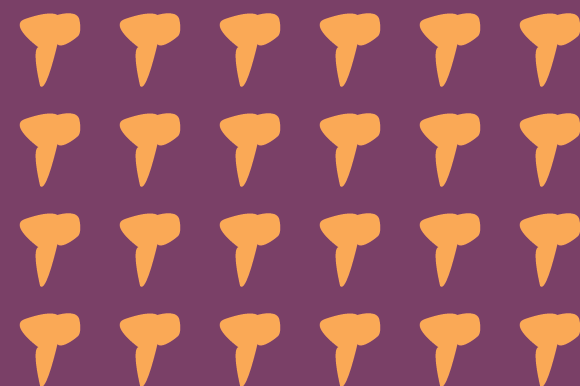
The Unique Mushroom Pattern is a digital design asset featuring a custom illustration of mushrooms arranged in a repeating or standalone motif. It is delivered in two file formats: an EPS (Encapsulated PostScript) file for scalable vector editing, and a PNG (Portable Network Graphics) file for immediate raster use. The pattern itself draws on organic shapes, earthy tones, and the distinctive forms of various mushroom species, making it suitable for projects that call for natural, whimsical, or woodland-inspired visuals.
Because the asset is provided in both vector and raster formats, it supports a range of workflows. The EPS file retains sharpness at any size and allows you to modify individual elements, adjust colours, and rearrange the composition. The PNG file offers a ready-to-use version with a transparent or solid background, depending on the specific product listing, which can be placed directly into layouts without additional editing. This dual-format approach reduces friction when moving from concept to final output.
Why Someone Might Be Interested in This Pattern
Interest in the Unique Mushroom Pattern often arises from a need for original, handcrafted-looking design elements that avoid the generic appearance of stock clip art. Mushroom imagery has seen a resurgence in branding, packaging, apparel, and digital content, particularly in industries such as natural wellness, botanical art, children's publishing, and sustainable product design. A pattern that offers a unique interpretation of this subject matter can help a project stand out while still feeling rooted in nature.
Another reason for interest is the practical convenience of having both vector and raster formats. Designers who work across print and digital media often require assets that can be resized without loss of quality for large-format printing, yet also need a quick-loading version for web use. The inclusion of both EPS and PNG files addresses this dual need without requiring the user to convert formats manually, which can introduce artifacts or colour shifts.
Additionally, the pattern may appeal to those who want a cohesive visual element that can be applied across multiple surfaces or products. A single consistent pattern used on a website background, a product label, and a social media graphic can reinforce brand identity, and having a scalable vector file makes that consistency easier to achieve.
Benefits of Using the Unique Mushroom Pattern
One of the primary benefits is the balance between uniqueness and usability. Because the pattern is described as unique rather than mass-produced, it is less likely to appear in countless other projects, which can be a concern when using widely distributed stock assets. This originality can be particularly valuable for boutique brands, independent publishers, or artists who want their visual identity to feel personal and distinctive.
The EPS format provides considerable flexibility. You can open the file in vector editing software such as Adobe Illustrator or Affinity Designer, then change colours to match a brand palette, scale the pattern infinitely without pixelation, and isolate individual mushroom elements for use in other compositions. This level of control means the pattern does not have to be used exactly as delivered; it can serve as a starting point for further customisation.
The PNG file, in contrast, offers immediacy. If you need to place the pattern into a document quickly without launching a vector editor, the PNG file is ready to drag and drop. This reduces setup time and is especially helpful for users who do not have access to vector editing software or who prefer a simpler workflow.
Another practical benefit is the file size. A well-optimised EPS file remains relatively small for the amount of detail it contains, and a PNG file with a transparent background can be used in layers without adding bulk to a project file. This matters when working within software or platform constraints that limit file size or memory usage.
Tradeoffs and Considerations to Keep in Mind
While the Unique Mushroom Pattern offers several advantages, there are also tradeoffs worth evaluating before purchase or download. One consideration is that the pattern is delivered as a static design. If you need a pattern that can be dynamically tiled across a large surface, you may need to set up the repeat manually using the EPS file. Some users may find this straightforward, while others may prefer a fully seamless, ready-to-tile pattern file that requires no additional setup.
Another tradeoff relates to colour flexibility. If the pattern uses specific colours that do not align with your project's palette, you will need to edit the EPS file to make adjustments. This assumes you have the necessary software and skills to recolor vector artwork. If you rely only on the PNG file, you are limited to the colours as delivered. Checking the product description for colour specifications beforehand can prevent mismatches.
Licensing is another factor. Digital pattern files are typically sold with specific usage rights, such as personal use, commercial use with attribution, or commercial use without attribution. It is important to confirm the license terms before integrating the pattern into a product you intend to sell. Using an asset outside its license terms can create legal or ethical issues, especially for branding or merchandise.
File format compatibility may also matter. EPS files, while widely supported, are not universally editable in all software. If you work exclusively in web-based design tools or on mobile devices, the PNG file may be the only usable format. Conversely, if you need to output the pattern at very large sizes for signage or wallpaper, the vector file is essential. Knowing your typical output resolution and software environment helps determine which format will matter most to you.
Situations Where the Unique Mushroom Pattern Is a Strong Fit
This pattern tends to work well in projects that benefit from a hand-drawn, organic aesthetic. For example, if you are designing packaging for a line of organic teas, mushroom-based supplements, or botanical skincare products, the pattern can reinforce a natural, artisanal feel. Similarly, children's book illustrations, educational materials about nature, or posters for outdoor events can use the motif to create a warm and inviting tone.
The dual-format delivery also makes the pattern suitable for use across multiple media. If you are building a brand identity that needs to appear on a website (where PNG loading speed is beneficial) and on printed stationery (where vector scalability matters), having both formats in one purchase simplifies your workflow. You avoid the need to source separate assets for each medium.
For independent creators who produce small batches of products such as tote bags, stickers, or greeting cards, the Unique Mushroom Pattern offers a way to add a consistent visual theme without commissioning a custom illustration. This can reduce upfront costs while still delivering a personalised look.
Additionally, the pattern may be a good fit if you are experimenting with a nature-inspired theme but lack the time or skill to create original botanical artwork from scratch. Using a pre-made pattern as a base allows you to focus on other aspects of the project, such as layout, typography, or colour harmonisation, while still achieving a cohesive result.
Situations Where Alternatives May Be Worth Considering
If your project requires a highly specific mushroom species, a particular colour palette that is not represented in the pattern, or a style that differs significantly from the illustration approach, a custom commission or a different pattern library may serve you better. While the Unique Mushroom Pattern offers flexibility through vector editing, starting from a different base can save time if major changes are needed.
Another scenario is when you need a pattern that is truly seamless and tileable over very large areas without visible repetition seams. Some users find that hand-editing a vector pattern to create a perfect tile requires more effort than anticipated. In such cases, a pattern specifically marketed as seamless and pre-tested for tiling may reduce frustration. Checking the product description for details about the repeat structure can help you assess this before committing.
If you work predominantly in web design and need lightweight, responsive patterns that load quickly on mobile devices, the PNG file will work, but a dedicated web-optimised asset format such as SVG or a CSS pattern may perform better. The EPS file is less suited for direct web use, so you would need to export it to a web-friendly format yourself. If that extra step is a concern, a pattern offered natively in SVG format might be more convenient.
Budget is also a consideration. If you need a large collection of patterns or multiple variations, purchasing several individual patterns may add up. In that case, a pattern bundle or a subscription-based asset library could offer better value, even if each individual pattern is less unique.
Practical Decision-Making Insights
To determine whether the Unique Mushroom Pattern aligns with your goals, start by clarifying your project requirements. Write down the intended use, output media, size requirements, colour constraints, and whether you need customisation. Then compare those needs against what the pattern offers in both its EPS and PNG formats. This simple gap analysis often reveals whether the asset is a good fit or whether you will need to invest additional time in editing.
If you are comfortable editing vector files, the EPS format gives you significant control. If you prefer a ready-to-use asset, the PNG file is straightforward. For users who fall somewhere in between, having both formats provides a safety net: you can start with the PNG for speed and later switch to the EPS if adjustments become necessary.
Another practical step is to test the pattern in a mockup before committing to large-scale use. Place the PNG or an exported version of the EPS into a sample layout, print a small proof, or preview it on screen at the intended size. This helps you evaluate how the pattern reads at actual scale and whether the level of detail works for your audience. Sometimes a pattern that looks appealing in a small preview feels too busy or too sparse when applied to a full page or product.
Consider also the longevity of the design. Trends in imagery shift, and mushroom motifs may feel timely now but could date a project if it is intended to remain relevant for several years. A pattern with a more abstract or minimal interpretation of the subject may age more gracefully than one with highly specific stylistic flourishes. Reviewing the pattern's style with a long-term lens can help you decide whether it serves a short-term campaign or a lasting brand asset.
Finally, read the product listing thoroughly for details about file resolution, colour mode (RGB versus CMYK), transparency support, and any included documentation or usage examples. These details affect how well the pattern integrates into your workflow and can prevent surprises during production. If the listing lacks such details, reaching out to the seller or creator for clarification is a reasonable step before purchase.
Determining Alignment With Your Goals
The Unique Mushroom Pattern, with its dual EPS and PNG delivery, is best suited for creators who value originality and flexibility but also need a practical, ready-to-use asset for multiple media. It supports projects that emphasise natural themes, artisanal branding, or whimsical illustration styles. Its tradeoffs include the need for vector editing software to fully customise the design, the potential requirement to set up seamless tiling manually, and the importance of verifying license terms for commercial use.
If your workflow prioritises speed and simplicity, the PNG file covers many common use cases. If your work demands precise control, the EPS file provides that capability. When both formats are used together, the pattern can serve as a central visual element across print, web, and product applications without requiring multiple separate investments. Evaluating your specific project criteria against these strengths and limitations will guide you toward a decision that supports both your creative vision and your practical constraints.