Vintage Tile Retro Building: A Practical Resource for Designers and Creators
For anyone working in visual design, branding, or content creation, having access to reliable, well-structured asset collections can save hours of production time while elevating the final output. The Vintage Tile Retro Building collection positions itself as a versatile toolkit for projects that call for nostalgia, pattern-driven aesthetics, or architectural charm. Rather than offering a generic set of tiles, this bundle provides formatted files across multiple formats, making it a practical choice for professionals who need flexibility across different software environments. What follows is a grounded look at what this collection actually delivers, where it shines, and who is most likely to benefit from adding it to their resource library.
What Vintage Tile Retro Building Offers
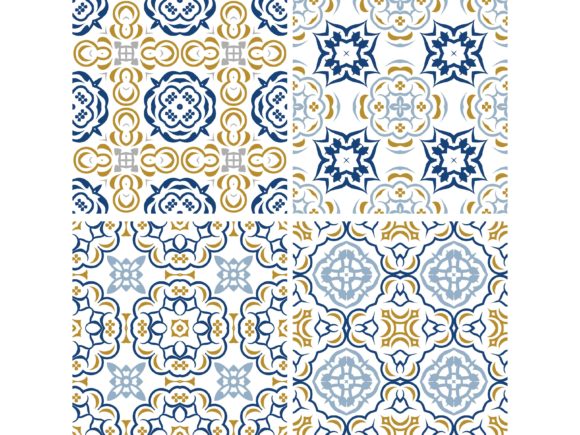
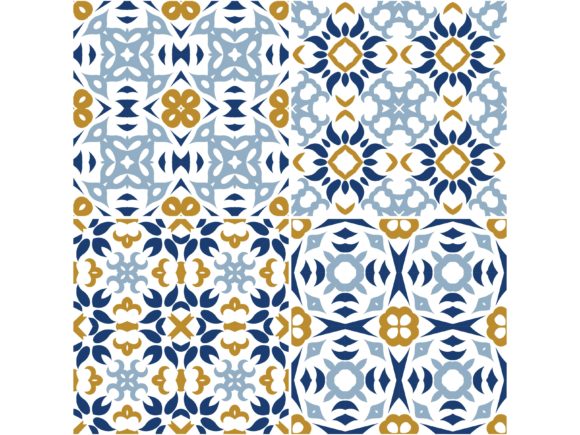
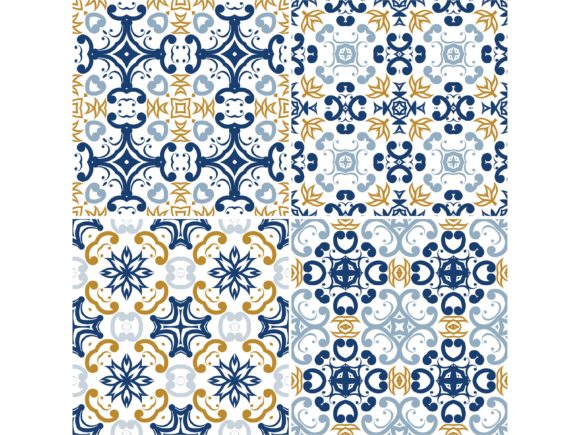
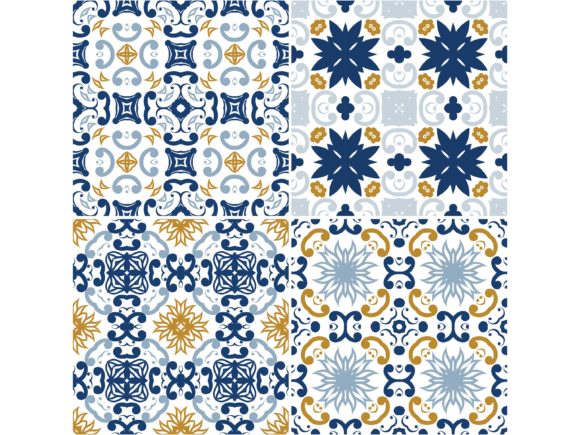
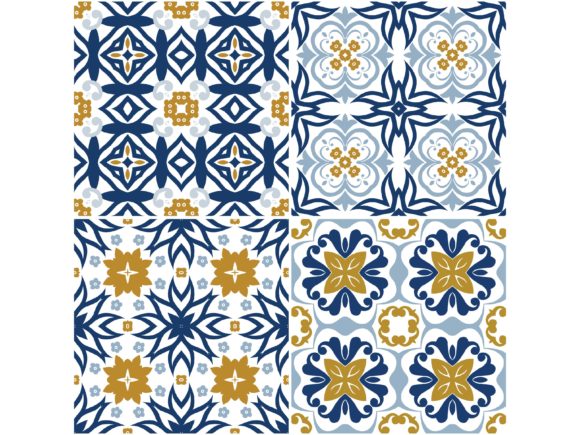
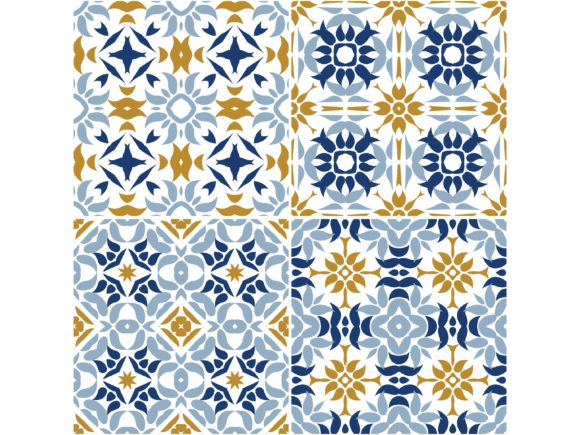
At its core, Vintage Tile Retro Building is a curated set of tile patterns and building-block motifs designed to evoke mid-century, art deco, and early industrial design influences. The collection includes AI, EPS, PNG, and JPG files, which means it covers both editable vector workflows and raster-based applications. This range of formats alone addresses a common pain point: asset compatibility across design tools such as Adobe Illustrator, Affinity Designer, Canva, and even web-based editors.
The tile patterns themselves typically feature geometric repeats, weathered textures, and color palettes reminiscent of vintage bathrooms, subway stations, and storefronts from the 1920s through the 1960s. While the specific number of assets may vary depending on the exact product version, the emphasis is on providing ready-to-use elements that can be scaled, recolored, and combined without requiring extensive additional editing.
Key Characteristics and Practical Strengths
One of the most immediately useful aspects of this collection is its file format diversity. The inclusion of AI and EPS files means vector-based users can modify individual tile components, adjust stroke weights, or change colors without losing resolution. The PNG files offer transparent backgrounds, which is especially helpful for layering patterns onto existing designs in presentation decks or social media graphics. The JPG files, while less flexible, serve as quick placeholders or reference images during the drafting phase.
Another strength lies in the thematic cohesion of the assets. Instead of offering a mismatched assortment of unrelated tile designs, Vintage Tile Retro Building maintains a consistent visual language. This is important for designers who need to maintain brand continuity across a campaign or for publishers who want a unified look across a series of materials. The patterns are not overly complex, which actually works in their favor: they can be applied as backgrounds, borders, or repeating motifs without overwhelming the primary visual content.
Usability in Common Design Software
From a usability perspective, the AI and EPS files are structured in a way that most intermediate to advanced users will find straightforward. Layers are typically organized by pattern element, allowing for selective editing. Beginners may need a brief orientation with vector software, but the assets themselves do not require advanced scripting or plug-ins. The PNG files are high-resolution enough for standard print applications up to A3 size, though for large-format output, the vector files remain the better choice.
Real-World Performance Across Use Cases
Putting the collection to work in actual design scenarios reveals where it performs best and where it has limitations. For social media graphics, the PNG files load quickly and tile seamlessly, making them ideal for Instagram stories, LinkedIn banners, or YouTube thumbnail backgrounds. The retro aesthetic tends to resonate with audiences in the home decor, vintage fashion, and lifestyle niches, which is a meaningful advantage for marketers and bloggers targeting those demographics.
In print applications, such as flyers, posters, or packaging prototypes, the vector format retains crispness at any scale. Designers have reported that recoloring the tiles to match a brand palette is efficient because the elements are grouped logically. For web design, the patterns can be exported as CSS background images or used directly in mockups, though the JPG files may require compression optimization for faster page load times.
One area where the collection demonstrates consistent reliability is in presentation design. Entrepreneurs and small business owners who create pitch decks or investor materials can use these tiles to add visual interest without distracting from data or messaging. The patterns are subdued enough to function as textures rather than focal points, which is a fine line that this collection manages reasonably well.
Long-Term Value and Reusability
An important consideration for any asset purchase is whether it will still be useful six months or a year later. Because the designs are pattern-based and not trend-driven in a fleeting sense, Vintage Tile Retro Building holds its value over time. The geometric and retro motifs have a lasting appeal that does not depend on a current fashion cycle. Additionally, the vector files allow for infinite customization, meaning one set of tiles can generate dozens of distinct looks through color changes, rotation, and scaling.
Who Benefits Most from This Collection
Based on the file formats, aesthetic direction, and practical applications, the following groups are most likely to find this collection genuinely useful:
- Freelance graphic designers who frequently work on branding projects for cafes, boutiques, or lifestyle brands and need reliable pattern resources to offer clients.
- Marketing professionals and entrepreneurs creating promotional materials for products or services that align with vintage or artisanal positioning.
- Bloggers and content creators in the home decor, DIY, or design spaces who need visually consistent backgrounds for photography or social media posts.
- Educators and workshop facilitators teaching pattern design, color theory, or vector editing could use these assets as teaching examples or base files for student projects.
- Publishers and small business owners producing newsletters, catalogs, or print collateral who want a library of pre-vetted textures and patterns rather than creating them from scratch.
For these audiences, the collection reduces the time spent on asset creation and allows more focus on composition and messaging.
Where the Collection May Fall Short
No resource is without limitations, and Vintage Tile Retro Building has a few that are worth noting. First, the color palette is fairly specific. While the vintage tones are authentic to the period, they may not readily suit modern minimalist or high-contrast brand identities without significant recoloring. Users working in very contemporary or futuristic design contexts may find the tiles require more adaptation than they want to invest.
Second, the number of unique patterns in some versions of the collection can feel modest compared to larger pattern libraries. If your project demands a very wide variety of tile styles within a single campaign, you might need to supplement this set with additional resources.
Third, the JPG files, while convenient, are not ideal for professional print production at large sizes. The compression artifacts can become visible on output above a certain scale. Professionals planning high-end print work should rely on the vector or high-resolution PNG options instead.
Practical Recommendations for Getting the Most Out of the Assets
To maximize the value of Vintage Tile Retro Building, consider the following approaches:
- Start with the vector files for any project that may require scaling, recolor, or modification. Keep the PNG files for quick drafts and the JPG files for reference only.
- Create a color palette extension by testing the tiles against your brand colors early in the design process. A simple recolor in Illustrator or Affinity can transform the feel from purely vintage to something more contemporary.
- Layer multiple tiles to build more complex patterns. Combining a geometric tile with a subtle texture from the set can produce unique backgrounds that feel custom rather than off-the-shelf.
- Use the tiles as structural guides for layouts. The repeat patterns can inform grid systems or section breaks in reports, websites, or print pieces, adding visual rhythm without extra graphic elements.
- Test on actual output devices before finalizing print jobs. Whether you are producing a small run of business cards or a larger poster, verify the resolution and color accuracy with the specific printer or paper stock.
Assessing Fit for Your Specific Needs
Deciding whether Vintage Tile Retro Building aligns with your workflow comes down to a few straightforward questions. If your projects routinely involve vintage, retro, or handcrafted aesthetics, the collection offers a time-saving starting point. If you work across multiple software platforms and need files that translate without conversion steps, the AI/EPS/PNG/JPG combination is a practical hedge against compatibility issues.
On the other hand, if your design work is primarily ultra-modern, minimal, or relies on photographic textures rather than vector patterns, this set may require more adaptation than it saves. Similarly, if you need hundreds of distinct patterns with extreme variety, this curated collection may feel too narrow. It is not a replacement for a massive pattern library, but it is not trying to be one. It is a focused toolkit for a specific aesthetic niche, and within that niche, it performs dependably.
For professionals who understand exactly what they need and value efficiency over endless browsing, Vintage Tile Retro Building delivers a solid return on investment. The quality of the vector files is consistent, the thematic direction is clear, and the format coverage is genuinely practical. When used with intention, these tiles can become a repeat reference in your asset library rather than a one-off download that gathers digital dust.
In the end, the best measure of any design resource is whether it reduces friction between an idea and its execution. Vintage Tile Retro Building does that well for anyone whose creative work benefits from the warmth, geometry, and nostalgia of authentic tile patterns. By approaching it as a flexible foundation rather than a finished solution, you will find it serves a surprisingly wide range of projects with minimal effort and maximum visual payoff.