Vintage Tile Retro Wall: A Practical Asset for Modern Creative Workflows
When you work across multiple creative projects, you quickly learn that the quality of your source materials determines how smoothly your process runs. Low-resolution images, inconsistent color profiles, or files that don't layer properly can add hours of cleanup work. Vintage Tile Retro Wall is a collection designed to eliminate those friction points. It gives you a set of retro-inspired tile patterns in four ready-to-use formats: AI, EPS, PNG, and JPG. But more importantly, it fits into a broader creative workflow where preparation, consistency, and adaptability matter.
What Vintage Tile Retro Wall Actually Delivers
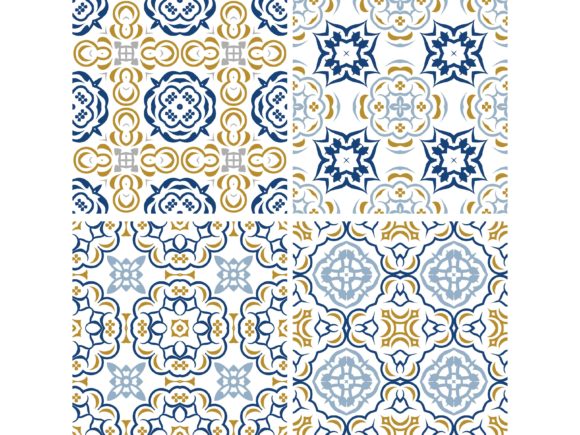
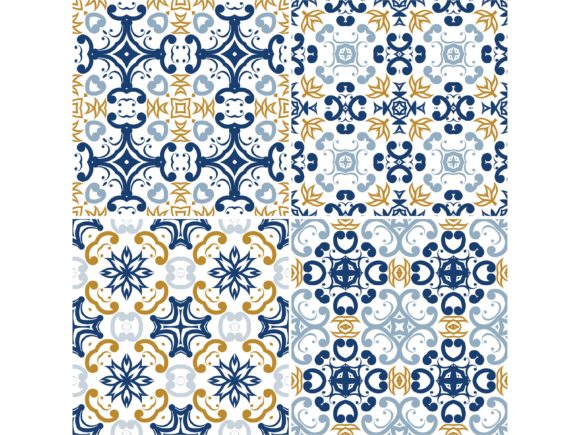
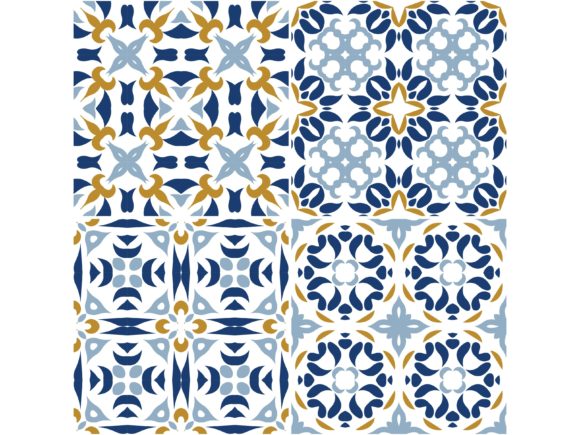
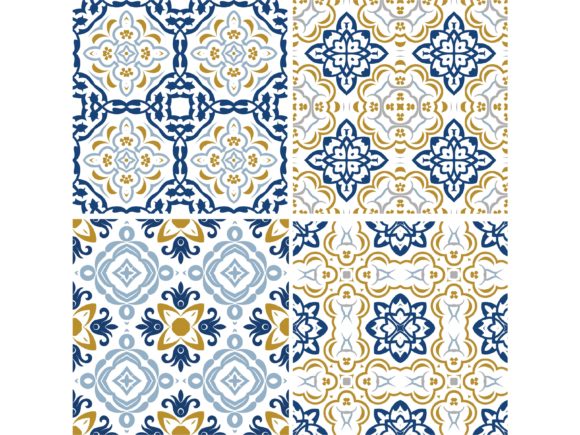
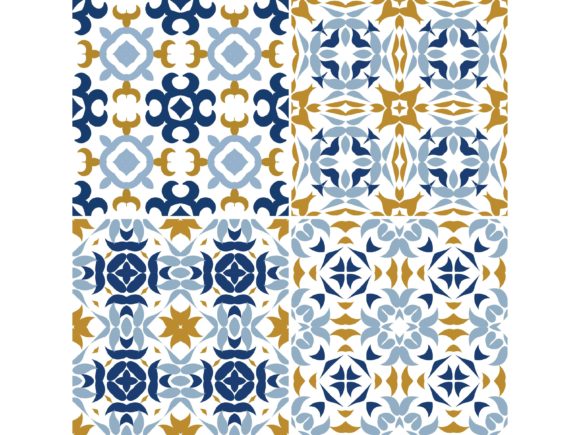
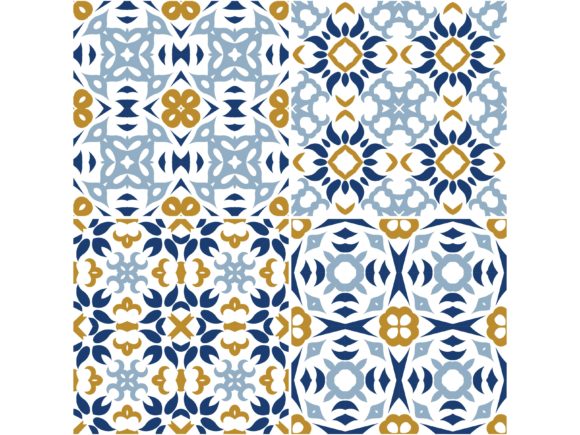
At its core, this collection is a curated set of tile patterns with a vintage aesthetic. Think mid-century geometric repeats, muted color palettes, and subtle texture cues that evoke old subway tiles, terrazzo floors, or art deco walls. The key difference from generic pattern packs is the inclusion of vector and raster formats side by side. You get AI and EPS files for scalable editing, plus PNG and JPG files for immediate use in web, print, or mockup environments.
This format diversity matters more than most people realize. A PNG with a transparent background lets you drop a tile pattern directly onto a website hero section without additional masking. The AI file lets you recolor individual tiles to match a brand palette. The JPG works as a quick reference or a placeholder while you iterate on a layout. Instead of searching for three separate resources, you open one collection and choose the format that fits your current task.
Pre-Project Planning and Moodboarding
Before a design project begins, you typically spend time gathering references, defining visual direction, and aligning stakeholders. Vintage Tile Retro Wall can serve as a quick moodboard anchor. Drop a few PNG tiles into a Figma or Canva board alongside typography samples and photography. The retro tile patterns give an immediate sense of era, texture, and color temperature. You can test whether a warm terracotta tile works with a sans-serif headline or whether a cool blue geometric pattern supports a minimalist layout.
Because the collection includes both detailed vector files and lightweight raster versions, you can share previews with clients or team members without forcing them to open design software. A JPG attached to an email or a Slack message communicates the visual intent instantly. That alone reduces back-and-forth during the early approval stages.
During Active Design and Production
This is where the format flexibility becomes a time-saver. Suppose you are designing a packaging label for a small-batch soap brand. You want a retro tile pattern as a background element. The AI file lets you open the pattern in Adobe Illustrator, adjust the scale, change the tile colors to match the brand's sage green and cream, and export a print-ready PDF. No redrawing, no tracing, no guesswork.
If you are building a landing page for a boutique hotel, the PNG file with a transparent background works directly in Webflow or Shopify. Drop it into a section background, set a repeat, and you have a seamless retro wall texture in under a minute. The EPS file gives you an alternative path if you work in CorelDRAW or Affinity Designer. The point is that you do not change your tool to fit the asset; the asset adapts to your existing pipeline.
For content creators and social media managers, the JPG files work as Instagram story backgrounds, YouTube thumbnail textures, or Pinterest pin backdrops. You can crop, overlay text, and publish without opening a vector editor. That speed matters when you are producing multiple assets per day.
Post-Project Archiving and Reuse
A less discussed aspect of creative work is what happens after a project ships. Files get buried in folders, and the next project often starts from scratch. Because Vintage Tile Retro Wall comes as a structured collection with consistent file naming, you can archive it in a shared asset library. When a new client requests a "vintage-inspired look," you pull the AI files, tweak a few colors, and produce a new variation in minutes rather than hours. The collection becomes a reusable resource, not a one-time download.
This reuse potential is especially valuable for small business owners and freelancers who handle multiple brands or seasonal campaigns. You can build a library of retro tile variations that evolve as your brand palette expands. The consistency of the source files ensures that the base pattern quality remains high across iterations.
Organize by Format First, Then by Style
When you first unzip the collection, resist the temptation to dump everything into one folder. Create subfolders for AI, EPS, PNG, and JPG. Within each, use a consistent naming convention that includes the pattern name and color variant. This might sound basic, but it pays off when you are searching for a specific tile pattern during a tight deadline. Good file organization reduces cognitive load and keeps you in a flow state.
Build a Quick-Reference Sheet
Open each PNG file and arrange them on a single canvas or a PDF contact sheet. Print it or keep it as a pinned tab. When a client says, "I want something like that green tile," you can scan the reference sheet and grab the correct file immediately. This small preparation step saves you from opening dozens of files to find the right one.
Test Compatibility Early
If you work in a team environment where different members use different software, test the EPS and AI files in your specific tools before the collection is needed for a deadline. Sometimes older EPS versions require minor adjustments in certain programs. Knowing this upfront lets you batch-convert any problematic files so that when the project starts, every format works as expected.
Color Customization in Vector Files
The AI and EPS files are structured with editable swatches. Spend ten minutes mapping the existing swatches to your project's brand colors. Save a duplicate file with the new palette. This gives you a custom pattern variant that matches your brand guidelines exactly, and you can reuse that variant across multiple deliverables without redoing the work.
How This Collection Interacts with Other Tools and Assets
Vintage Tile Retro Wall does not exist in isolation. It works alongside other design elements such as typography, photography, icon sets, and layout grids. For example, pairing a geometric retro tile with a clean sans-serif font creates contrast that draws attention to headlines. Using a softer tile pattern behind product photography adds depth without competing with the subject matter.
If you use a design system or a UI kit, the tile patterns can serve as background tokens within that system. Define a CSS class that references the PNG pattern or embed the vector tile as a scalable background in your component library. This integration ensures visual consistency across pages and screens without requiring manual placement each time.
For print projects, the AI files interact well with Adobe InDesign's Links panel. Place the AI file as a linked asset, make color adjustments in Illustrator, and the changes update automatically in your layout. This workflow is standard in publishing and packaging, and the collection supports it cleanly.
Quality Control and Long-Term Use
Not all tile pattern collections are built for repeated use. Some have seams that are visible at certain scales, low resolution that breaks when enlarged, or file formats that are locked and uneditable. Vintage Tile Retro Wall avoids these issues by providing vector source files that scale infinitely and raster versions that are optimized for common screen resolutions.
For long-term use, check that your vector software handles the patterns without excessive memory usage. If you work with hundreds of tiles in a single document, placing them as linked EPS files rather than embedded assets keeps your file sizes manageable. Also, consider backing up the collection in a cloud drive so that you can access it from multiple devices or share it with collaborators without re-downloading.
Quality control also means checking color consistency across formats. A pattern in the AI file might look slightly different when exported to PNG due to color profile differences. If exact color matching is critical, standardize your working color space (sRGB for web, CMYK for print) and test exports before committing to final deliverables.
Who Benefits Most from This Collection
Freelance designers who juggle multiple clients benefit from the format variety and the ability to customize vector files quickly. Small business owners who manage their own branding can use the JPG and PNG files directly in social media graphics or website banners without hiring a designer for every asset. Educators creating retro-themed worksheets or classroom decor can pull the patterns into PowerPoint or Keynote and adjust the scale as needed.
Publishers and bloggers working on visual content calendars will appreciate having a library of backgrounds that do not require attribution or complex licensing. Marketers putting together ad creatives for a nostalgic campaign can iterate faster when the assets are already organized and editable.
Even hobbyists working on personal projects such as scrapbooking, home decor mockups, or digital collages find value in the collection because the learning curve is minimal. Open a PNG, place it behind your content, and the visual lift happens instantly.
Integrating into a Routine without Overcomplicating Things
The easiest way to start using Vintage Tile Retro Wall is to pick one format and one project. Do not try to master all four formats at once. If you are a web designer, start with the PNG files. Place one as a background, adjust opacity, and see how it affects readability. If you are a print designer, open the AI file, recolor it, and print a test. Build familiarity with one workflow before expanding to others.
Once you have used the collection in two or three projects, you will naturally start reaching for it during the planning phase of new work. It becomes part of your default toolkit, not a special-purpose download that sits unused. That integration is the real goal: having a resource that fits so smoothly into your process that you forget it was an add-on in the first place.
The practical test of any creative asset is whether it saves time, reduces friction, or improves output quality. Vintage Tile Retro Wall does all three when used with intention. The formats are chosen for compatibility, the patterns are designed for reuse, and the vintage aesthetic is broad enough to adapt across industries and project types. Whether you are building a brand identity, creating content, or planning a campaign, this collection gives you a solid starting point that integrates directly into the way you already work.