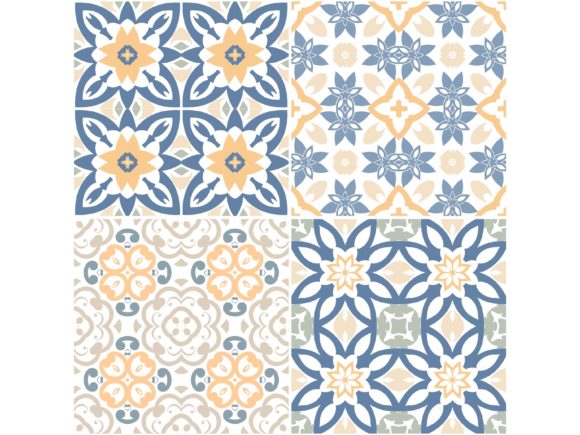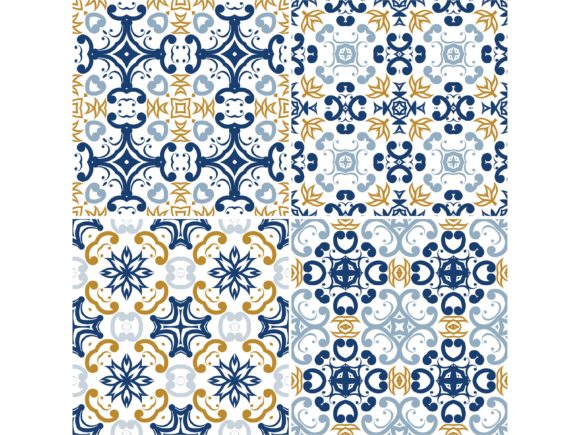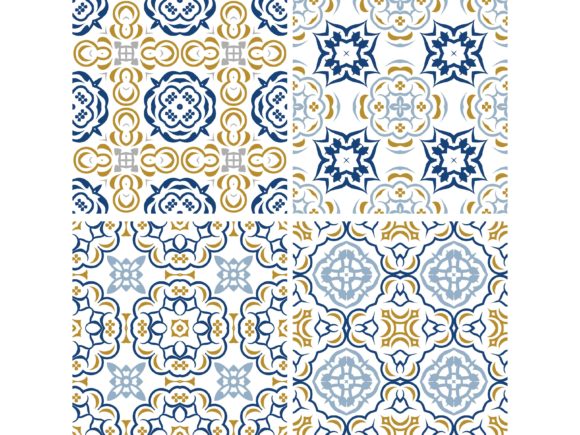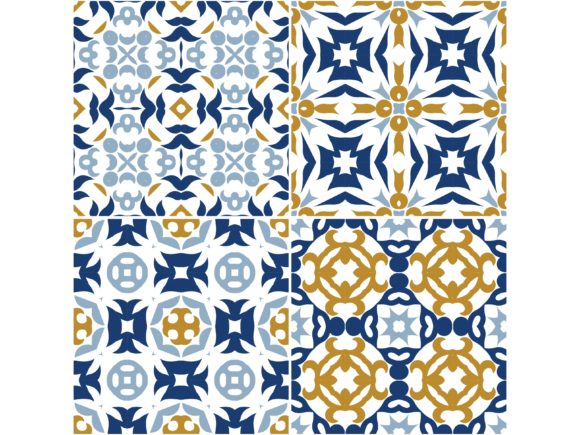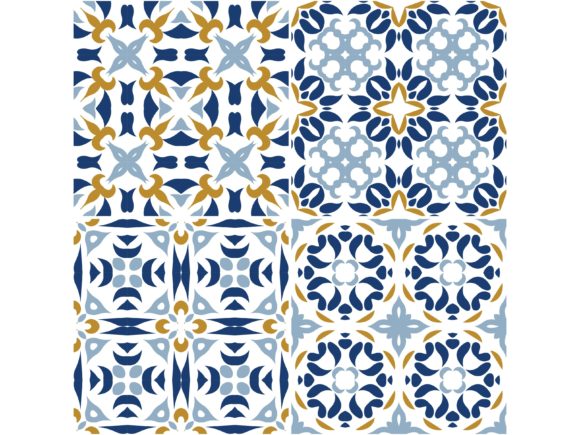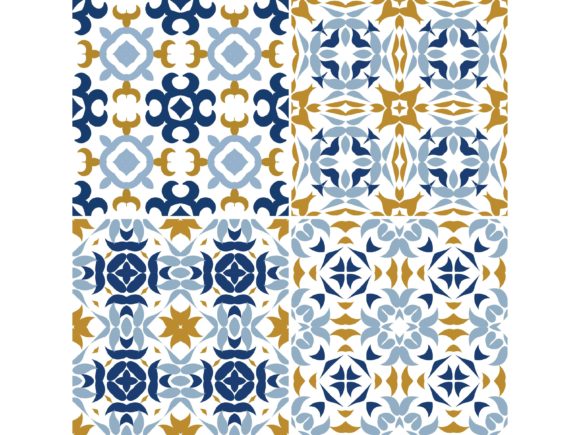
Vintage Tile Retro Design: A Timeless Collection for Creative Projects
Walking into a room with authentic mid-century tilework often feels like stepping into a slower, more intentional era—where every geometric repeat and pastel glaze tells a story of craftsmanship. That same sense of heritage has found a vibrant second life in digital design, and Vintage Tile Retro Design is at the heart of this revival. Whether you’re a graphic designer seeking authentic textures or a small business owner wanting to evoke nostalgia, this collection offers a practical bridge between old-world charm and modern workflow efficiency.
In this article, we’ll take a close look at what makes Vintage Tile Retro Design distinctive, explore its practical applications, and help you decide if it’s the right fit for your next project. No fluff—just useful insights drawn from hands-on experience.
What Exactly Is Vintage Tile Retro Design?
At its core, Vintage Tile Retro Design refers to a curated set of digital pattern assets inspired by ceramic and encaustic tiles popular from the 1920s through the 1970s. Think sunburst motifs, octagonal shapes, intricate arabesques, and repeating florals—all rendered in color palettes that range from muted pastels to rich jewel tones. But unlike physical tiles, this collection exists as ready-to-use digital files.
The collection is bundled into four standard formats:
- Ai File – Adobe Illustrator vector file for scalable editing
- EPS File – Encapsulated PostScript, compatible with most vector software
- PNG File – Transparent background raster image, ideal for web use
- JPG File – High-quality compressed image for quick previews or print drafts
This mix ensures that The Vintage Tile Retro is the perfect collection for all your creative projects, whether you work in vector-heavy illustration or prefer simple drag-and-drop placement.
Authenticity Without the Dust
There’s a reason Vintage Tile Retro Design resonates so strongly with modern audiences. In a digital landscape dominated by minimalist flat design, a touch of historical texture immediately signals craftsmanship, warmth, and individuality. Professionals in branding and packaging often tell me that using retro tile patterns helps products stand out on crowded shelves—without the cost and hassle of sourcing actual vintage materials.
For instance, a local tea company I worked with used one of these tile patterns as a background for its matcha packaging. The reaction was immediate: customers associated the pattern with artisanal quality and tradition. That’s the power of good vintage-inspired design.
Versatility Across Creative Fields
One of the strongest characteristics of Vintage Tile Retro Design is its adaptability. Unlike a niche pattern that only works in one context, these tiles can be repurposed for:
- Graphic design – posters, flyers, book covers, and social media graphics
- Branding – logos, business cards, and storefront signage
- Web design – hero section backgrounds, pattern overlays, or subtle repeating wallpaper
- Textile and surface design – mockups for fabric, wallpaper, and ceramic ware
- Interior design visualization – mood boards, floor plan accents, and digital room renders
Because the files are provided in both vector and raster formats, scaling is never a problem. You can blow up a tile pattern to wallpaper size without pixelation, or shrink it down to a favicon with crisp edges.
What Works Well
- Immediate professional polish – The patterns are pre‑designed with intentional symmetry and balanced repetition. Even if you’re not a seasoned designer, dropping a Vintage Tile Retro Design pattern into your project instantly adds a layer of sophistication.
- Time savings – Creating a seamless tile pattern from scratch can take hours. With this collection, you open the file and it’s ready—no tedious alignment or color corrections needed for standard use.
- Cross‑platform compatibility – The inclusion of Ai, EPS, PNG, and JPG means you can work in Adobe Illustrator, CorelDRAW, Affinity Designer, Canva, or even PowerPoint. I’ve used the PNG files for quick Instagram stories and the EPS files for large‑format print projects with zero compatibility hiccups.
Things to Keep in Mind
- Color adjustments may be needed – While the curated palettes are beautiful, they may not match your brand’s exact colors. Fortunately, the vector files (Ai, EPS) allow you to recolor individual elements easily. If you’re using only PNG or JPG, you’ll have to overlay tint layers.
- Not every pattern is grid‑based – Some designs have a more organic repeat, which can be harder to tile seamlessly if you need a continuous floor‑like pattern. Check the preview before committing.
- File size considerations – The Ai and EPS files can be large, especially if you open them with many nested layers. On older computers, you might experience lag. Saving a flattened PNG for drafts can help.
Real‑World Use Cases: From Concept to Final Deliverable
Let me walk you through a typical scenario. A friend runs a small coffee shop with a 1950s diner theme. She wanted custom paper cups and to‑go bags that felt authentic but didn’t require a huge design budget. We used a geometric Vintage Tile Retro Design pattern from the collection as a repeating background. The steps were straightforward:
- Opened the EPS file in Adobe Illustrator.
- Changed the default color palette to match the shop’s existing brand (red, cream, and black).
- Scaled the pattern to fit the cup template.
- Exported a high‑resolution PNG for the printer.
The result? A cohesive, memorable look that cost a fraction of what a custom illustrator would charge. The shop owner reported a 15% increase in customer social media shares because people loved the retro aesthetic.
Another example: a digital course creator used the PNG files as slide backgrounds for a series on mid‑century design history. The patterns acted as visual cues that reinforced the content without distracting. She said the collection saved her at least three hours of prep work per module.
Who Should Consider Using The Vintage Tile Retro?
Vintage Tile Retro Design is not a one‑size‑fits‑all solution, but it serves a wide range of users well:
- Freelance graphic designers – Quickly add texture to client projects without outsourcing assets.
- Small business owners – Affordable, professional branding elements for packaging, signage, and marketing.
- Content creators and bloggers – Unique backgrounds for YouTube thumbnails, Pinterest pins, or Instagram highlights.
- Hobbyists and DIY enthusiasts – Create custom invitations, scrapbook pages, or home decor mockups.
- Interior designers – Use the patterns to communicate tile concepts to clients before ordering real materials.
If your project demands hyper‑specific historical accuracy (e.g., a museum exhibit needing an exact 1923 tile pattern), you may need to supplement with custom work. But for 90% of creative projects, The Vintage Tile Retro offers a solid foundation.
How to Evaluate Suitability for Your Needs
Before you invest time in any design asset, consider these questions:
- What’s your primary output medium? For print, vector files (Ai, EPS) are essential. For web, PNG with transparency is usually perfect. This collection covers both.
- Do you need to modify colors or elements frequently? If yes, ensure you have software that can handle vector files. The included Ai and EPS files are fully editable.
- How important is pattern uniqueness? Because these are pre‑made designs, other users may have the same pattern. If you want absolute exclusivity, consider customizing the tiles heavily or combining multiple patterns.
- What’s your skill level? Beginners will appreciate the ready‑to‑use PNG files; advanced users will unlock the full potential of the vector formats.
Final Thoughts on Bringing Retro Tiles into Your Workflow
Vintage Tile Retro Design isn’t just a collection of pretty patterns—it’s a practical toolkit that bridges nostalgia with modern convenience. The variety of file formats (Ai, EPS, PNG, JPG) means you’re never locked into one software ecosystem. Whether you’re designing a cafe menu, a book cover, or an entire brand identity, these tiles can save you hours and add a layer of authentic flair that today’s audiences actively seek.
In my own projects, I’ve found that the best results come from treating the patterns as a starting point rather than a final destination. Layer them with typography, adjust opacities, combine two patterns—the flexibility is there. And because The Vintage Tile Retro is the perfect collection for all your creative projects, you can feel confident that the foundational assets are solid, scalable, and style‑tested.
If you’ve been on the fence about incorporating retro design into your work, now is a great time to experiment. Open an Ai file, pull a pattern onto your artboard, and see how it transforms your layout. Sometimes the most efficient way to create something timeless is to build on a classic. With this collection, you have that foundation ready to go.