Vintage Tile Retro: Evaluating the Design Collection for Creative Projects
When selecting a design resource for a creative project, the specifics of what is included and how it can be applied often make the difference between a smooth workflow and a frustrating one. Vintage Tile Retro, a collection offering AI, EPS, PNG, and JPG files, presents itself as a versatile option for those working with retro and tiled aesthetics. Before committing to a download or purchase, understanding what this collection actually provides, where it excels, and where it may fall short is essential for making an informed choice. This article provides a balanced evaluation of Vintage Tile Retro, helping you determine whether it aligns with your project's technical requirements, stylistic goals, and practical constraints.
What Is Vintage Tile Retro?
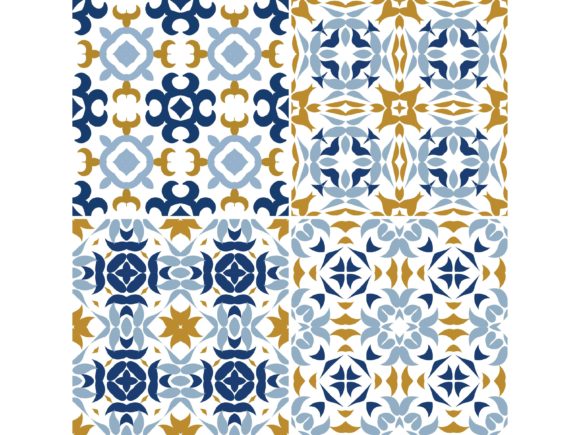
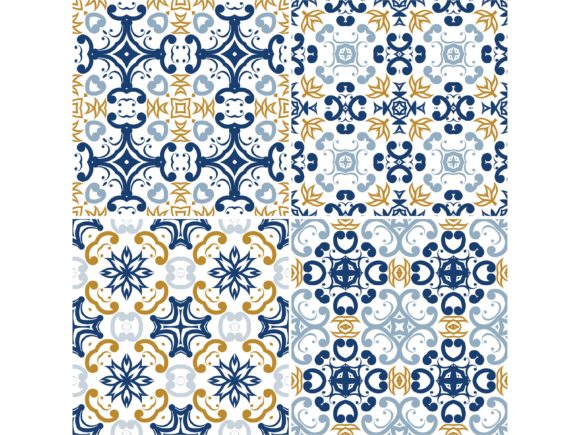
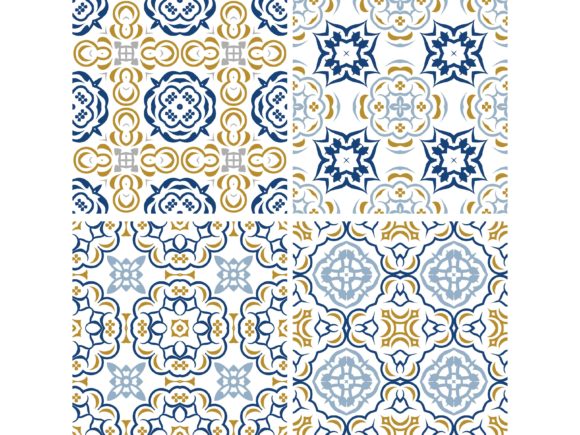
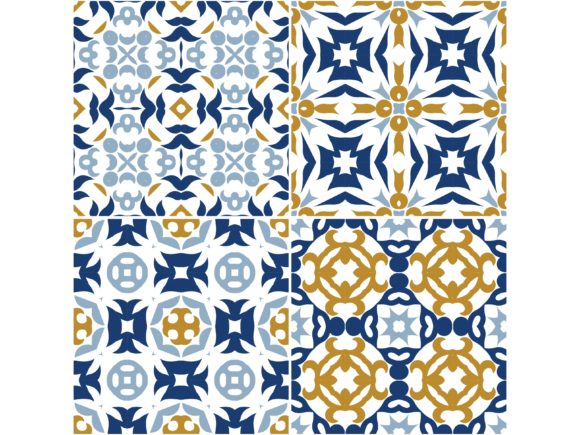
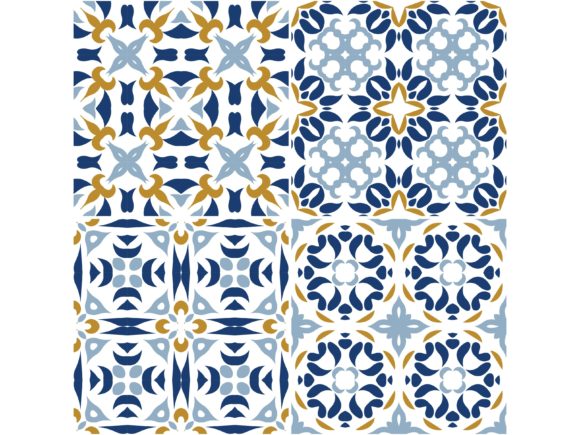
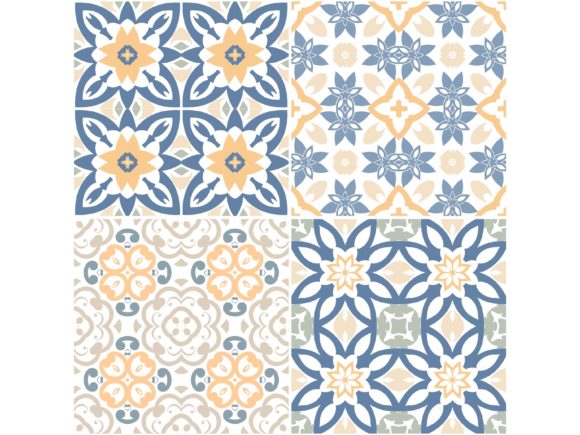
Vintage Tile Retro is a digital asset bundle centered on the visual language of retro tiling patterns. The collection is built around a set of tile designs that evoke mid-century, Art Deco, and classic decorative motifs, digitally reproduced or originally created to capture that specific aesthetic. The key differentiator of this collection is the range of file formats provided: Adobe Illustrator (AI), Encapsulated PostScript (EPS), Portable Network Graphics (PNG), and Joint Photographic Experts Group (JPEG). This breadth of formats is intended to accommodate users across different software environments and use cases, from vector-based editing in Illustrator to raster-based projects in Photoshop or even print-ready applications.
The collection is not a single pattern but a set of individual tile designs, each available in the four formats. This means the user receives both scalable vector files (AI, EPS) for resizing without loss of quality, and raster files (PNG with transparency, JPEG for general use) for immediate placement or web sharing. The "vintage" aspect refers to the color palettes, geometric repeats, and ornamental details that reference historical design periods rather than contemporary minimalism or modern digital art.
Why Consider Vintage Tile Retro? Core Benefits for Design Work
For designers, illustrators, or hobbyists working on projects that require a retro tile motif, this collection offers several practical advantages. First, the inclusion of both AI and EPS formats ensures that the vector files are editable and scalable. This is critical for projects that require resizing to fit large-format prints, custom color adjustments, or modification of individual elements within a tile. The AI and EPS files are compatible with major vector editing software, including Adobe Illustrator, CorelDRAW, Affinity Designer, and Inkscape (with possible compatibility checks needed for EPS versions).
Second, the PNG files with transparent backgrounds simplify the process of layering tiles onto different backgrounds, creating seamless repeats, or combining patterns with other design elements. The JPEG files, while lacking transparency, provide a lightweight option for previews, mood boards, or projects where a solid background is acceptable. The presence of all four formats in a single collection saves time that would otherwise be spent converting files or sourcing comparable assets from multiple vendors.
Third, for those specifically seeking a retro tile aesthetic, the collection provides a curated set of patterns that are internally consistent. Instead of searching through thousands of generic tile patterns, the user receives a focused set that all share a cohesive vintage feel. This can be useful for branding projects, packaging design, textile prints, wallpaper mockups, or any application where a unified retro look is desired.
Tradeoffs and Practical Considerations
While the format variety is a clear benefit, it also introduces some tradeoffs that potential users should weigh. One consideration is the file size and organization. A collection offering four formats for each design will inevitably take up more storage space than a bundle offering only one or two formats. Users with limited hard drive space or those who prefer to download only what they need may find the multiple formats redundant if they only work in vector or only in raster.
Another tradeoff relates to the specific nature of the tile designs themselves. The collection is defined as "vintage tile retro," but what one designer considers vintage may be too ornate, too subdued, or too specific in color palette for another. Since the collection is presented as a set, the user cannot pick and choose individual tiles from a broader library; the bundle is what it is. This means that if only two or three of the tile designs are suitable for a given project, the perceived value of the collection diminishes. It is worth evaluating whether the entire set aligns with your aesthetic needs or whether you would be paying for designs you are unlikely to use.
Additionally, the AI and EPS files, while vector-based, may have been created with specific software versions. Compatibility issues can arise if you are using an older or alternative vector editor. For instance, EPS files can vary in their level of compatibility, and some features (like gradients, effects, or embedded images) may not translate perfectly across all programs. It is advisable to check the software version requirements or test a sample file if possible before purchasing a full collection.
When Vintage Tile Retro Is a Strong Fit
Vintage Tile Retro is particularly well-suited for specific scenarios. One clear use case is surface pattern design, especially for creating repeat patterns for fabric, wallpaper, or gift wrap. The vector formats allow for seamless tiling, and the PNG files with transparency make it easy to apply patterns to product mockups or digital prototypes.
Another strong fit is in branding and identity work for businesses that need a retro or heritage look. A coffee shop, barbershop, boutique hotel, or craft brewery might use these tiles as part of their visual identity, on signage, menus, or packaging. The multiple formats allow the design to be used across print (JPEG or AI for professional printing) and digital (PNG for web) without requiring format conversion.
For educators or students in design courses, the collection can serve as a learning resource. Examining the files, especially the vector layers, can provide insight into how retro tile patterns are constructed, how repeats are created, and how color palettes are balanced. The availability of multiple formats also allows experimentation across different software environments.
Furthermore, event planners or content creators working on themed parties, weddings, or social media campaigns with a vintage aesthetic may find the PNG files particularly useful for quick compositing in photo editing software or even in presentation tools like Canva (which supports PNG with transparency).
When Alternatives May Be Worth Considering
There are also situations where Vintage Tile Retro may not be the optimal choice. If your project requires a very specific tile style that is not represented in the collection for example, a particular geometric pattern from a specific decade or a color palette that differs significantly from the set's offerings you may be better served by a custom design service or a larger pattern library that allows individual downloads.
For users who work exclusively in raster-based software and have no need for vector files, the inclusion of AI and EPS adds unnecessary bulk and cost. In that case, a collection offering only high-resolution PNG or JPEG files at a lower price point might be more efficient. Similarly, if you only need a single pattern for a specific use, a marketplace that sells individual tile designs could be more economical than a bundled collection.
Another consideration is whether you need complete control over every aspect of the tile's geometry. If your workflow requires deconstructing the pattern into individual vector shapes, adjusting node points, or merging colors, you need to confirm that the AI or EPS files are fully editable and not simply flattened or outlined. Some collections lock or flatten vector files to protect the design, which would negate the benefit of the vector format for advanced editing. Checking the file's editability is a prudent step before purchase.
For users who prioritize unique, hand-drawn, or highly bespoke tiles, a collection like this, which is presumably built from digital vectors, may lack the subtle imperfections and organic feel of hand-rendered or scanned vintage tiles. In such cases, seeking out scanned antique tile catalogs, public domain resources, or commissioning original artwork may be more aligned with the creative vision.
Practical Decision-Making Insights
To determine whether Vintage Tile Retro is the right choice, start by listing your specific project requirements. Consider the following questions:
- What software will you be using? Ensure compatibility with AI or EPS versions.
- Do you need to edit the tiles, or will you use them as-is? If editing is required, confirm that vector files are fully layered and editable.
- What is your output medium? Print projects benefit from vector formats; web projects may rely on PNG or JPEG.
- How many tiles do you actually need? If you can use most or all of the designs, the bundle provides good value. If only one or two appeal to you, assess whether the cost is justified.
- Is the aesthetic of the collection consistent with your brand or project theme? Requesting a preview or sample file can help before committing.
It is also worth considering how the collection fits into your broader asset library. If you already have a large collection of retro patterns, Vintage Tile Retro might duplicate styles you already own. If you are starting from scratch, having a coherent set in multiple formats can be a practical foundation to build upon.
Helpful Steps for Evaluation
- Review the tile designs carefully: Look for previews that show each tile clearly, not just a montage. Assess the color palette, complexity, and scale.
- Check the technical specifications: Note the resolution of PNG and JPEG files (e.g., 300 DPI for print or 72 DPI for web). Check the EPS version number and whether AI files are saved in a version compatible with your software.
- Consider the license: Understand the usage rights. Some collections allow commercial use, while others restrict it to personal projects. This is a critical factor for any professional design work.
- Download a sample: If the vendor offers a free sample, use it to test the file formats in your workflow before purchasing the full set.
- Compare with alternatives: Look at other retro tile collections on design marketplaces. Evaluate whether the format variety of Vintage Tile Retro is a unique advantage or whether similar collections offer more appropriate styles at a similar or lower price.
Aligning the Collection with Your Goals
Ultimately, the decision hinges on whether the stylistic and technical attributes of Vintage Tile Retro serve your specific creative goals. If your aim is to produce a project with a cohesive, retro tile aesthetic and you need the flexibility to work across vector and raster formats, this collection offers a streamlined solution in one download. The multiple file formats remove the need for conversion and allow you to adapt the tiles for a variety of uses from high-resolution print to transparent overlays on digital designs.
On the other hand, if your needs are narrow or highly specialized for instance, requiring a single pattern with a very specific colorway or needing complete creative control over the vector construction then a more targeted asset or a custom creation may serve you better. The collection is a ready-to-use resource, not a fully customizable toolkit. Its value lies in convenience and consistency, not in infinite versatility.
By weighing the format benefits against the limitations of a pre-curated set, you can make a decision that aligns with your project's practical demands and creative vision. Vintage Tile Retro, with its combination of AI, EPS, PNG, and JPG files, is a practical option for designers seeking a focused, retro tile aesthetic across multiple output formats, provided that the specific designs within the collection match their intended application.