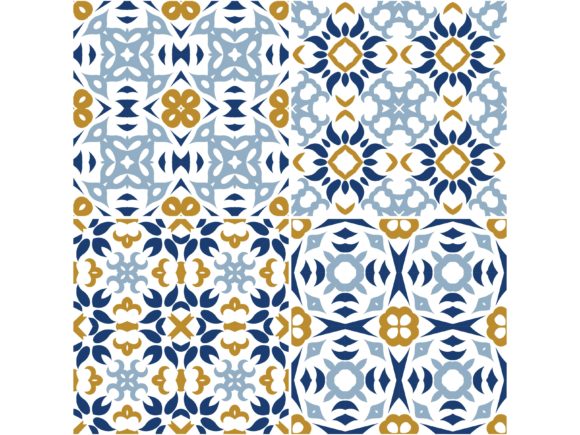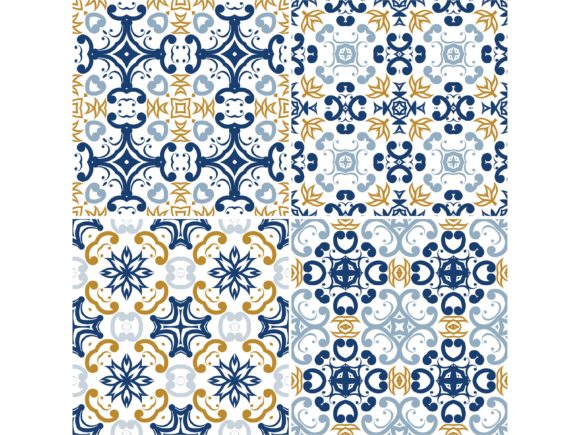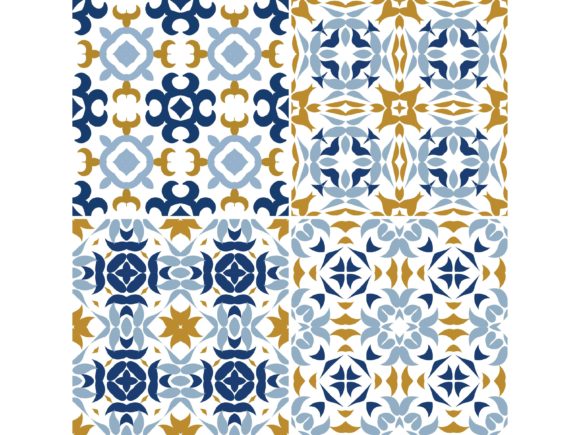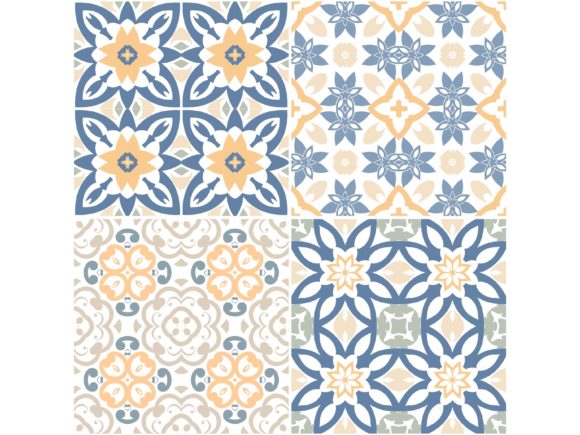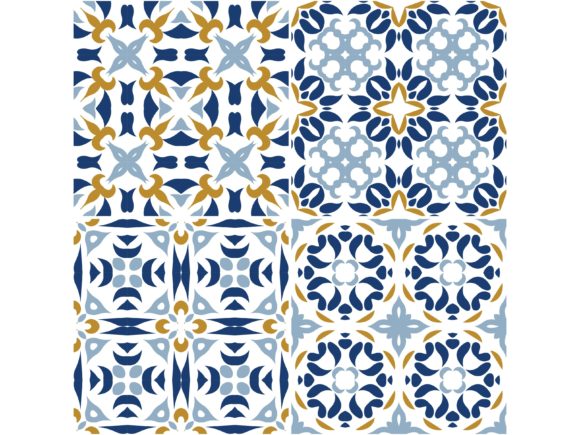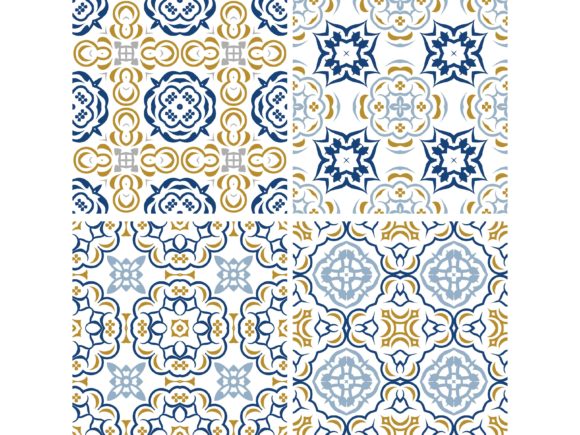
Vintage Tile Retro Textured — A Creative Asset Collection for Modern Designers
In an era where digital design can often feel sterile and uniform, there is a growing hunger for texture, authenticity, and a touch of the past. This is precisely where the Vintage Tile Retro Textured collection steps in, offering a thoughtfully curated set of patterns and textures that blend old‑world charm with modern practicality. Whether you are designing a brand identity, crafting social media graphics, or building a retro‑themed website, having ready‑to‑use, versatile assets like AI, EPS, PNG, and JPG files can make all the difference. This article explores why this collection matters, how it fits into contemporary creative workflows, and how you can leverage it to produce work that feels both nostalgic and fresh.
The Resurgence of Retro Textures in Contemporary Design
Retro aesthetics have never truly disappeared, but we are witnessing a particularly strong resurgence. From mid‑century modern furniture to 1970s color palettes, designers across industries are rediscovering the warmth and personality of earlier eras. The Vintage Tile Retro Textured collection taps directly into this trend, offering tile‑based patterns that evoke classic kitchens, subway tiles, and geometric motifs from the 1950s and 60s. But this is not about simple reproduction—the textures add a layer of realism and depth that purely flat graphics lack. In a marketplace where differentiation is key, these assets help brands and creators stand out by conveying a sense of craftsmanship and history.
What Makes Vintage Tile Retro Textured Stand Out
Not all retro‑themed asset packs are created equal. What sets the Vintage Tile Retro Textured collection apart is its deliberate balance between authenticity and usability. The tiles themselves are not just flat vectors; they carry subtle grain, slight irregularities, and varied shading that mimic the wear and feel of actual vintage materials. This texturing makes them ideal for projects that demand a tactile, almost tangible appearance. Furthermore, the inclusion of AI, EPS, PNG, and JPG formats means you can work seamlessly whether you are a vector purist in Adobe Illustrator, a layout designer using InDesign, or someone who needs a quick raster drop into a Canva project. The collection is built to be the perfect collection for all your creative projects, removing the friction of format conversion and allowing you to focus on composition.
Adapting Vintage Aesthetics for Current Creative Needs
Modern design doesn’t just borrow from the past—it reinterprets it for today’s platforms and audiences. Consider a freelance social media manager tasked with creating a series of posts for a local coffee shop that wants a 60s diner vibe. Using a tile pattern from the Vintage Tile Retro Textured collection as a background for menu highlights instantly transports viewers. The texture softened with a semi‑transparent overlay avoids overwhelming the foreground text. Similarly, an interior design blogger creating a mood board for a kitchen renovation can use the PNG files to quickly layer patterns onto walls, floors, or backsplashes without needing to launch heavy software. The collection’s versatility means it works just as well for digital advertising, event invites, and even product packaging—anywhere a retro, handcrafted feel adds value.
The Evolution of Design Tools and Asset Libraries
Ten years ago, finding a set of high‑quality, textured retro tiles required either scanning old wallpaper or painstakingly building patterns from scratch. Today, asset libraries have become sophisticated. The Vintage Tile Retro Textured collection reflects this evolution by providing files that are not only beautifully designed but also highly editable. The AI and EPS vectors allow you to recolor tiles, scale them without loss, and even separate individual elements. The PNG files come with transparent backgrounds so you can drop them into any composition instantly. This shift from static clip art to modular, textured assets aligns with the way many creative professionals now work—quickly, collaboratively, and often across multiple platforms. The collection answers a real need: high aesthetic quality combined with practical flexibility.
Practical Implications for Entrepreneurs, Freelancers, and Businesses
Time is a scarce resource for anyone running a business or a creative practice. The Vintage Tile Retro Textured collection saves hours of development time. Instead of sourcing disparate textures and manually creating seamless tiles, you receive a cohesive set that is ready to use. For a small business owner launching a retro‑themed product line—say, home fragrances with vintage packaging—the EPS files can be opened in a vector editor to adapt the tile to label dimensions. The JPG files serve as quick previews for client approvals. For educators preparing worksheets or classroom decor, the PNG files are instantly printable. By providing AI File, EPS File, PNG File, JPG File, the collection acknowledges that one format rarely covers all use cases. This is especially valuable for freelancers who work with diverse clients and need to deliver final files in multiple formats.
Integrating Vintage Tile Retro Textured Into Your Workflow
Getting the most out of these assets begins with understanding how each format serves a different stage of your process.
- AI File: Use in Adobe Illustrator for maximum control over individual elements. Adjust tile colors, apply gradients, or combine multiple patterns into a larger composition. Ideal for branding projects where you may need custom variations.
- EPS File: Open in any vector‑compatible application (CorelDRAW, Affinity Designer, etc.). Perfect for users who work across different software ecosystems or need to share editable files with collaborators who do not use the same tools.
- PNG File: Ready‑to‑use with transparency. Drop these directly into presentation slides, web mockups, or social media posts. Great for rapid prototyping and environments where vector editing is not required.
- JPG File: Lightweight and universally viewable. Use for quick previews, email proofs, or as backgrounds in documents where transparency isn’t needed.
A practical recommendation is to start with the PNG files during the concept phase to test out different tile patterns quickly. Once the direction is set, move to the AI or EPS files to make refinements. This workflow keeps the creative process fast without sacrificing quality. And because the textures are cohesive, mixing multiple tile patterns from the collection can produce rich, layered designs—like a kitchen backsplash combined with a floor motif—without visual conflict.
Why This Collection Matters Now
As digital fatigue grows, audiences are drawn to designs that feel human, imperfect, and rooted in a particular time and place. The Vintage Tile Retro Textured collection delivers on that desire by offering textures that are both evocative and practical. It acknowledges that modern designers need assets that are not just beautiful but also adaptable, scalable, and shareable. The careful inclusion of four major file formats means you are never locked into a single tool or workflow. Whether you are a seasoned professional or just starting your creative journey, having a resource that equips you with the perfect collection for all your creative projects is a genuine advantage. By bridging the gap between vintage inspiration and contemporary demands, this collection helps you create work that resonates on an emotional level while meeting the real‑world constraints of time, budget, and technical requirements.
Ultimately, design is about communication. The patterns, colors, and textures we choose tell a story. With the Vintage Tile Retro Textured set, you have a reliable vocabulary of retro elegance ready to express warmth, nostalgia, and quality. Whether you are building a brand, beautifying a blog, or crafting a marketing campaign, these assets empower you to infuse your projects with a timeless aesthetic that stands out in a crowded digital landscape.